Supporting older men’s health through Men’s Sheds
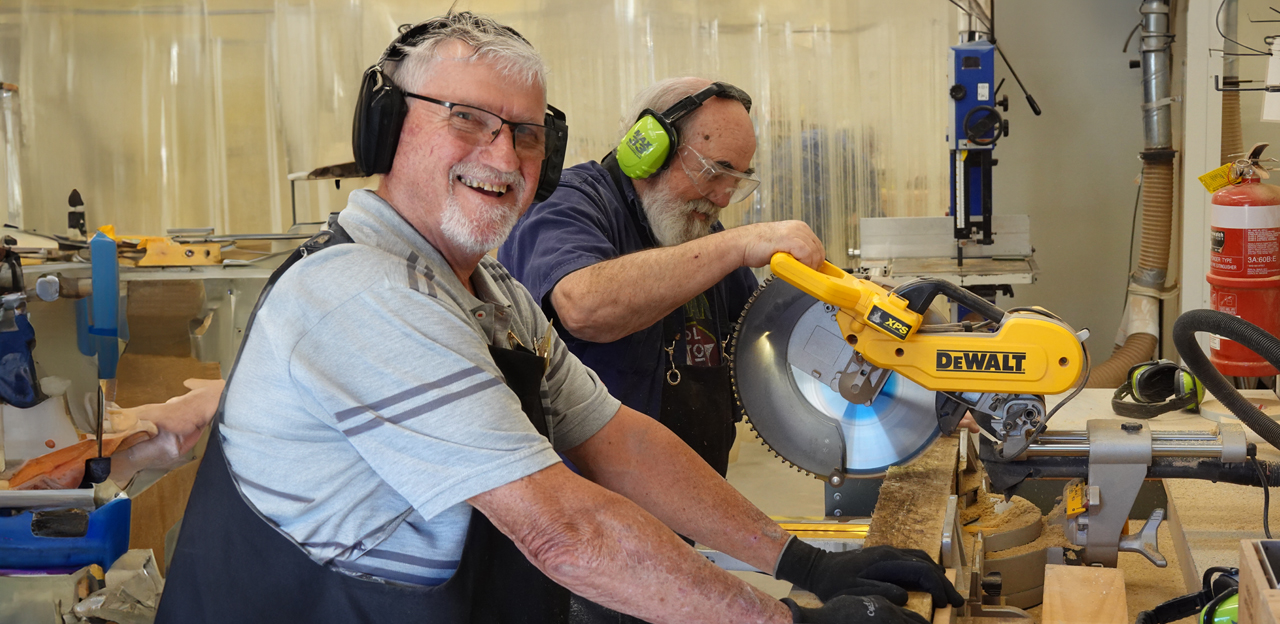
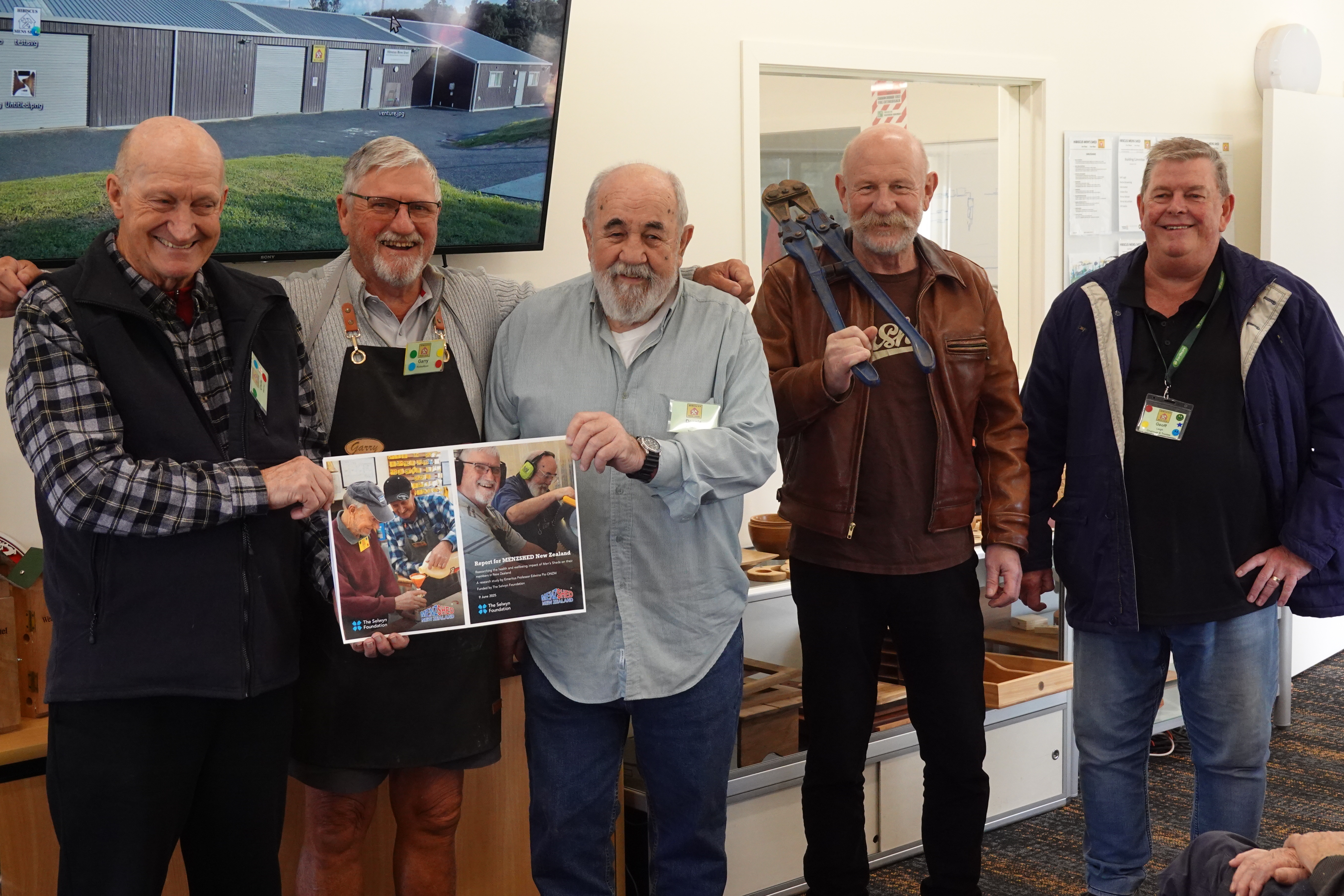
Older men are also a group whose circumstances can render them vulnerable in various ways, and the Foundation has supported MENZSHED New Zealand ...
Respectful Ageing for All, within Thriving Communities | Oranga Mātua, Oranga Tangata


The Selwyn Foundation has announced the successful recipients of its two new Ageing Well grants, designed to support research and community innovation to help older New Zealanders age well at home.
The grants build on the legacy of the Ageing Well National Science Challenge, continuing its vision to sustain health and wellbeing into the later years of life. Each valued at $25,000, they will enable projects aimed at enhancing older people’s mental, physical and cognitive health, helping seniors to stay healthy, independent and resilient through intergenerational engagement and community connection.
The 2026 grant recipients are:
The winning projects will focus on priority populations, which was a requirement of the application criteria. Dr Nock will focus on Māori communities in remote Northland, while Dr Webber will explore ways to strengthen social connection among older members of Rainbow communities in Auckland and Northland. Selected by a panel chaired by the former directors of the Ageing Well National Science Challenge, the successful applicants were chosen from a highly competitive field of 36 applications (seven were shortlisted to progress to full proposals).
The awards were announced by The Selwyn Foundation at the Minister for Seniors’ roadshow on the Better Later Life Action Plan, held in Kaitaia on 1 May 2026. Chief Executive of The Selwyn Foundation, Denise Cosgrove, says the grants are focused on identifying practical ideas that can make a tangible, positive difference in older people’s lives.
“Our Ageing Well grants are about supporting research that can provide evidence-based guidance and recommendations on how the experience of ageing in Aotearoa can genuinely be improved, particularly for those who may be underserved in terms of social infrastructure and other supports. By better understanding older people’s needs, priorities and aspirations for ageing well in place – and identifying service gaps and opportunities for planning and targeted support – service providers will be better equipped to enable seniors to live longer, healthier lives with dignity, connection and independence in the places they call home.
“We extend our thanks to the selection panel for their careful consideration of the many high-calibre applications received. We are confident that the research made possible by our Ageing Well grants will generate valuable insights and scalable approaches in due course that will benefit many more older people in the future.”
The grant process was administered by the Office for Seniors. Director of the Office for Seniors, Nicky McDonald, thanked The Selwyn Foundation for its leadership in establishing the Ageing Well research grants. “This is about backing practical research that reflects what’s really happening in communities and turning that into better support for older New Zealanders to live well, stay independent, and remain connected.”
%20(10).png?width=1748&height=1240&name=Office%20for%20Seniors%20(blog%20size)%20(10).png)
Pictured with The Selwyn Foundation CEO Denise Cosgrove (and accepting the award on behalf of Dr Sophie Nock) are Victoria Brown (left) of the Te Ara Whānui Research Centre and Abbey Brown, Trustee of Ngāti Kuri Trust Board, (both organisations will be collaborating with Dr Nock on her He Oranga Kaumātua o Te Hāpua research project)
Dr Sophie Nock is a Professor in Te Pua Wānanga ki te Ao/Faculty of Māori and Indigenous Studies at the University of Waikato. She is of Ngāti Kuri descent from the far north of the North Island. Her research is both interdisciplinary and multidisciplinary, integrating the revitalisation of te reo Māori, curriculum and textbook design, and extending to the health, wellbeing, and housing of kaumātua (elders) as well as concussion recovery among Māori adolescents and children. A particularly recent focus is on spiritual care within Aotearoa New Zealand's healthcare system.
In the He Oranga Kaumātua o Te Hāpua: Understanding the Health and Wellbeing of Elders in Aotearoa’s Northernmost Village project, Dr Nock will work in collaboration with the Ngāti Kuri Trust Board, Te Ara Whānui Research Centre, leaders and kaumātua from the community in Te Hāpua to develop a community-led wellness model that supports kaumātua in Te Hāpua to age with mana, connection and autonomy.
Dr Carl Webber is a Research Fellow at Waipapa Taumata Rau | University of Auckland and co-founder of Ageing Proud, a community-led research programme supporting Rainbow+ (Takatāpui, LGBTQI+, MVPFAFF) communities to age well.
Rainbow+ elders in Aotearoa name social isolation and loneliness as a defining issue. Dr Webber’s current work on social connection spans three projects across Tāmaki Makaurau and Te Tai Tokerau, bridging service delivery, organisational practice, and academic research. As the 2026 Selwyn Foundation Early-Career Award recipient, he asks what it takes to turn a shared space into a place where older Rainbow+ people can grow old as themselves.
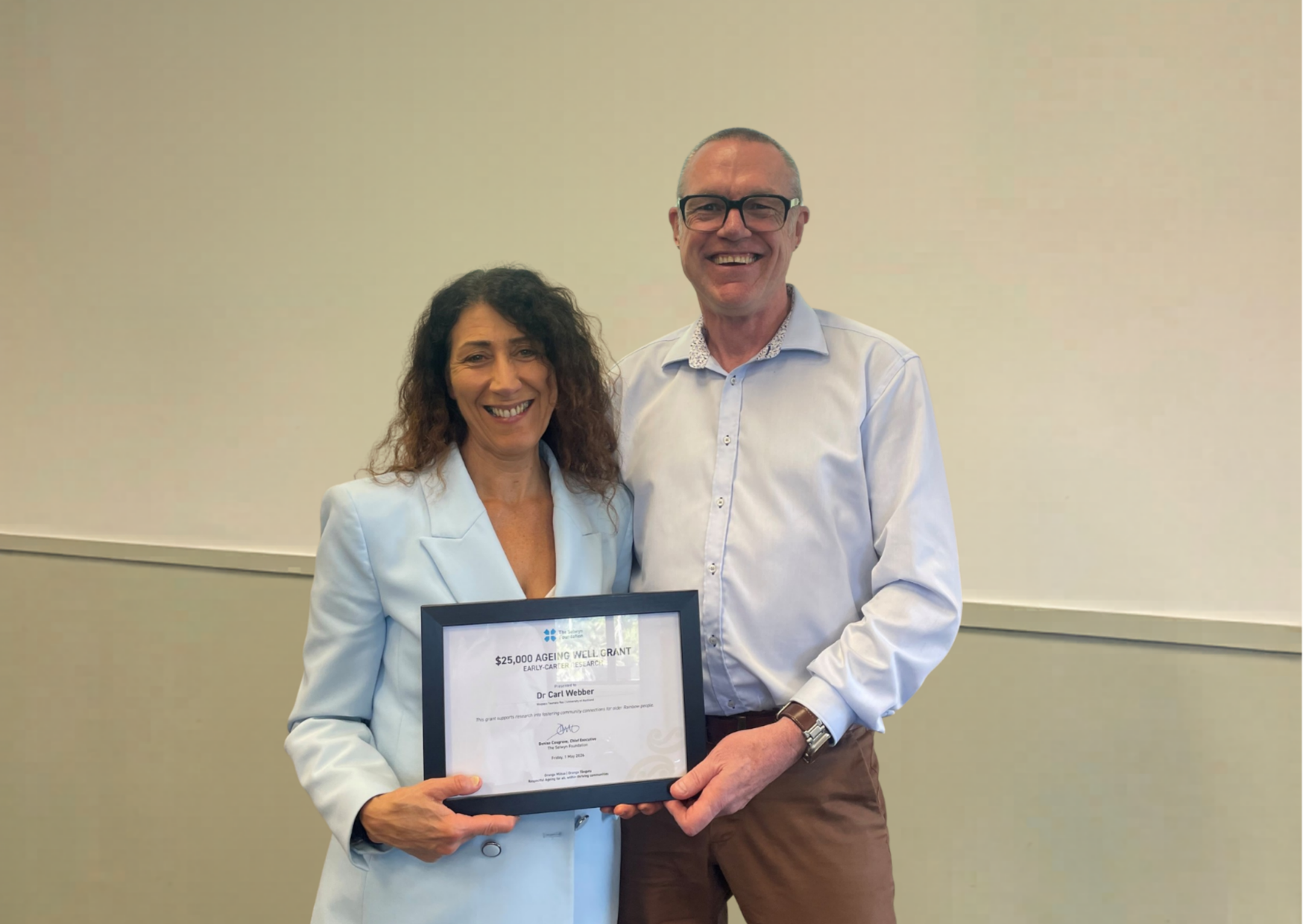
Dr Webber is pictured in our banner photo above with The Selwyn Foundation CEO Denise Cosgrove.
Learn. Grow. Share.
Older men are also a group whose circumstances can render them vulnerable in various ways, and the Foundation has supported MENZSHED New Zealand ...
The Selwyn Foundation has announced its funding of two new Ageing Well grants, carrying forward the vision of the former Ageing Well National Science ...
As a supporter of Aotearoa New Zealand’s inaugural Te Wiki Hauora Wāhine/Women’s Health Week, The Selwyn Foundation is encouraging all older women to ...
The Selwyn Foundation supports the need to respond with targeted interventions to prevent homelessness amongst women (and older women, in particular) ...
The Selwyn Foundation was delighted to support Emeritus Professor Edwina Pio’s new research into the health and wellbeing impact of Men’s Sheds on ...