
Read More
The idea for Selwyn Village was a revolutionary concept in New Zealand at the time. It was envisaged as a village where older people could live independently – based around cottages rather than a hostel-type residence. It was born out of the painful legacy of the Great Depression in New Zealand in the 1920s and 30s, followed by the growth and struggle of post-WWII. Each event had a profound effect on the country. The man at the coalface of change was the original Missioner for the Auckland City Mission, the Reverend Jasper Calder. Practical and down-to-earth, Jasper realised from his experiences with the Mission that some of Auckland’s older population were living in squalid and destitute conditions, and he wanted to do something about it.
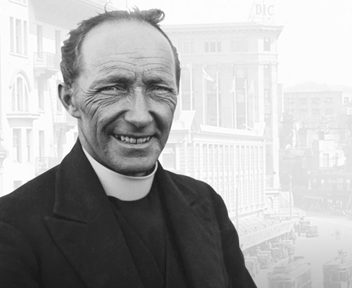
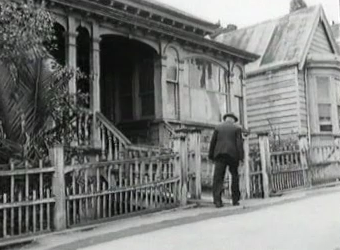
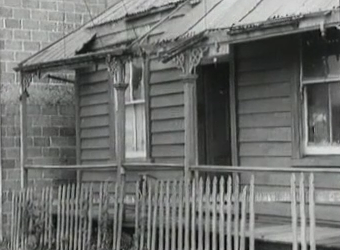
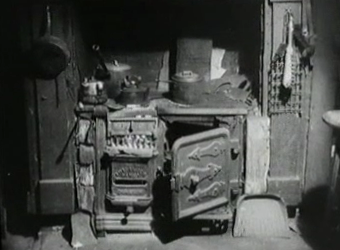
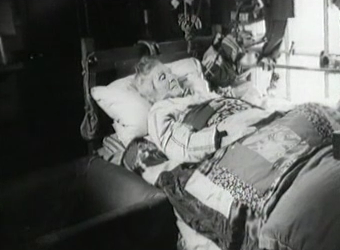
The Rev Jasper Calder; post-WWll, some older people in Auckland were living in squalid conditions
Rev Calder built up a number of highly successful programmes until he retired in 1946. When Jasper was due to retire, Bishop Simkin felt that the principles and operations of “Jasper’s Mission” (as the City Mission became known) had not yet served their time and he wanted to keep them intact. A young vicar from Hokitika, Rev Douglas Caswell, took over as City Missioner and moved his family to Auckland, settling in Sale Street in the centre of the city, within a stone’s throw of Freemans Bay’s slums (many of them occupied by older people). Rev Caswell had a “flair for publicity, skill in managing and enthusing committee-men, the sense of timing and tactic of the lobbyist who has to engineer the support and consent of (as yet) unconvinced officials and Cabinet ministers,” says Russell Stone in his history of the first twenty-five years of Selwyn Village, “In the time of Age”.
Within fifteen months of arriving, Rev Douglas Caswell had developed a ten-year plan for the Mission which included the establishment of youth hostels and the provision of accommodation for older people, in which they could spend the rest of their lives in comfort and safety. It was the concept of care for ageing people which caught the public’s imagination and the eye of the media.
As Rev Caswell was redefining care for seniors, the demographics of New Zealand’s population were rapidly changing. In 1891, only 2.7% of people were aged 60 years and over, and only 0.75% were aged 70 years and over. However, by 1936, 10.4% of the population was aged over 60 years, and 3.6% over 70. A desperate shortage of housing after servicemen came back from WWII, from post-war immigration and population growth in Auckland was felt more acutely by the older members of society.
Read More
The Government encouraged voluntary and charitable organisations to provide social solutions, but the going was hard. Money was tight and an appeal was launched in 1949. Then Rev Douglas Caswell approached Sir Robert Kerridge, the Managing Director of Kerridge Odeon Cinemas throughout New Zealand. Sir Robert gave five thousand pounds, and an enduring relationship between Sir Robert and Selwyn Village was formed. He later funded a documentary entitled “Indictment” which looked at the squalid housing conditions in Auckland at the time and was shown throughout his cinemas, touching a chord with audiences and helping to raise part of the funds needed to complete the Selwyn Village project.
Soon, the Mission was considering sites for development, one of which was a parcel of land in Point Chevalier owned by the Anglican Church that was leased as a market garden. Bounded by a swimmable beach, private yet adjacent to a housing and shopping area, the site immediately appealed. By 1950, although the Mission was still short of funds, a permanent architect had been appointed with a brief to design “an aged people’s settlement” with the majority of residents living in cottages. The Mission began to lobby the Government for funding, using the plans and, in 1952, the then Minister of Health J R Marshall granted £53,575.
Autumn 1952 saw the site bulldozed, but still not enough money in the coffers to meet the rapidly expanding vision for Selwyn Village. The public’s interest was soon fired, supported by stories in the press and a display in Queen Street of the architect’s model – including cottages. Sir Robert stepped in again when Queen Elizabeth II came to visit in 1953, donating the gross takings of the Royal Command Cinema performance attended by the Queen on Boxing Day to Selwyn Village. It was the princely sum of £10,650 and gave Selwyn the impetus needed.
Selwyn Village was finally opened by the Minister of Social Welfare, Hilda Ross, on 22 May 1954 before a cheering crowd of 2,000 people.
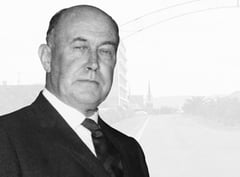
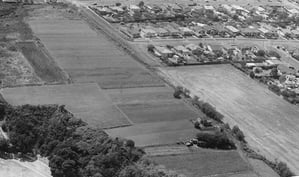
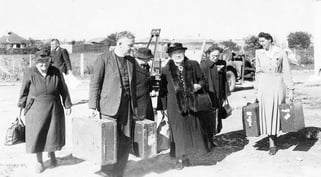
Sir Robert Kerridge; the Selwyn Village site before building began; First residents arriving at Selwyn Village 1954
Read More

Selwyn Village remains to this day an iconic site, well known and held in great affection by the people of Auckland whose family members have lived in the village community and been cared for there in their later years.
Since marking sixty years of service and operation of the village back in 2014, each year on 22 May we continue to observe “Founders’ Day” to honour the courage and foresight of Selwyn’s founding fathers in establishing a dedicated service for the welfare of ageing people. On this date, at a Service of Thanksgiving in the village’s Chapel of Christ the King, we pay tribute to the visionaries behind the creation of The Selwyn Foundation and recall all those who have enriched its development over the years.
Founders’ Day forms part of a broader programme to preserve the Foundation’s unique history and commemorate those who have shaped it through the ages, so they may be remembered, and their contribution honoured, by all our village residents and staff long into the future.
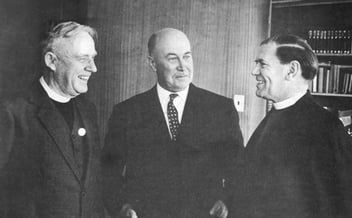
Selwyn’s founding fathers, Canon Douglas Caswell (left) and Sir Robert Kerridge (centre) in conversation with Bishop Eric Gowing, September 1962.
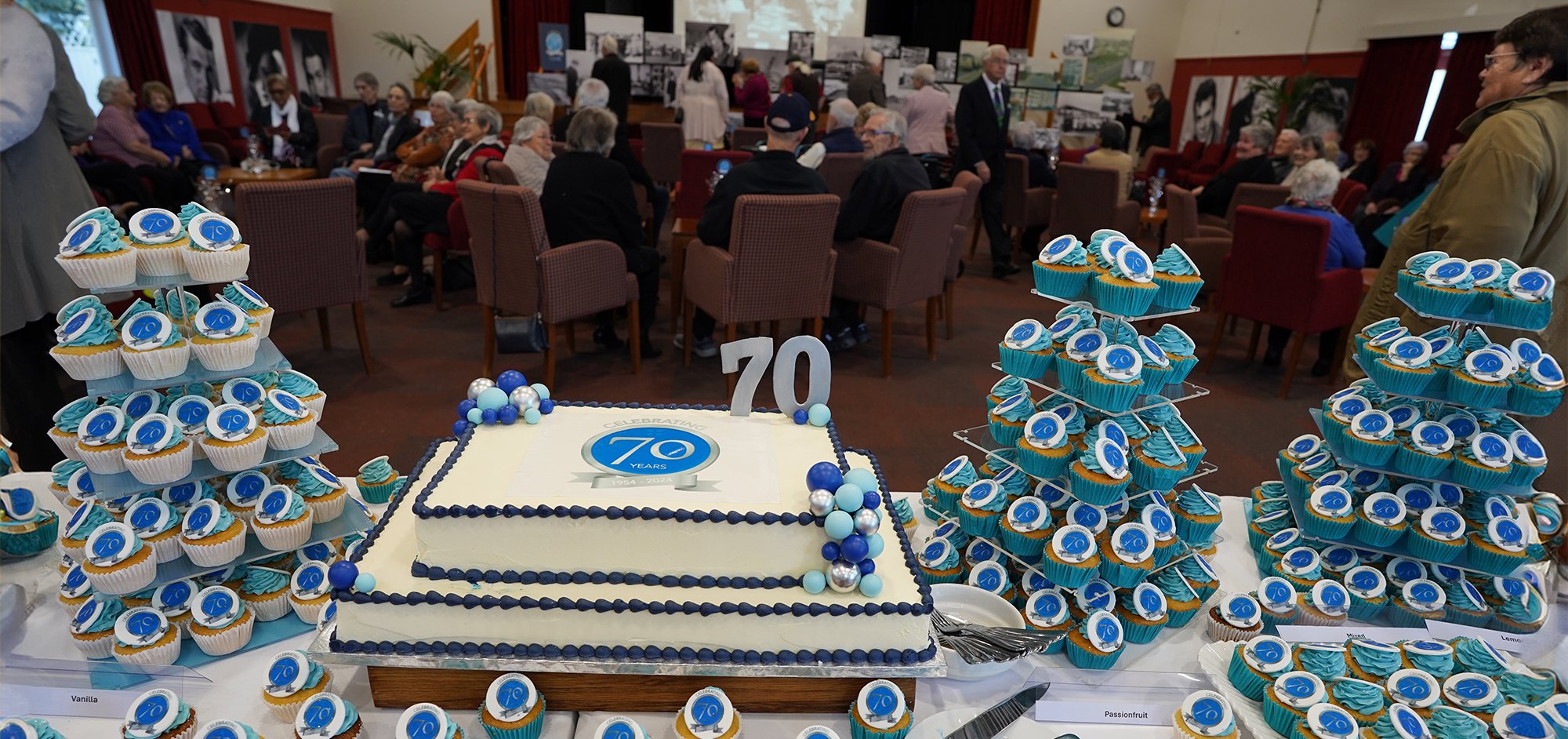
Founders' Day 70th Celebration, May 2024.

The idea for Selwyn Village was a revolutionary concept in New Zealand at the time. It was envisaged as a village where older people could live independently – based around cottages rather than a hostel-type residence. It was born out of the painful legacy of the Great Depression in New Zealand in the 1920s and 30s, followed by the growth and struggle of post-WWII. Each event had a profound effect on the country. The man at the coalface of change was the original Missioner for the Auckland City Mission, the Reverend Jasper Calder. Practical and down-to-earth, Jasper realised from his experiences with the Mission that some of Auckland’s older population were living in squalid and destitute conditions, and he wanted to do something about it.
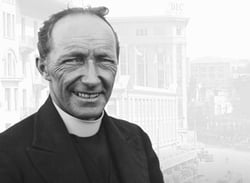
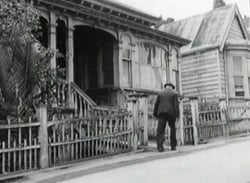
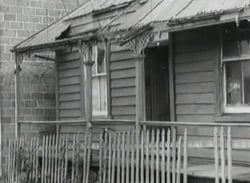
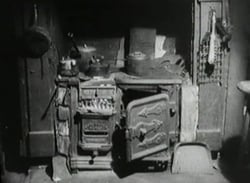
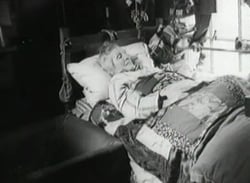
The Reverend Jasper Calder; post-WWll, some older people in Auckland were living in squalid conditions
Revd Calder built up a number of highly successful programmes until he retired in 1946. When Jasper was due to retire, Bishop Simkin felt that the principles and operations of “Jasper’s Mission” (as the City Mission became known) had not yet served their time and he wanted to keep them intact. A young vicar from Hokitika, Douglas Caswell, took over as City Missioner and moved his family to Auckland, settling in Sale Street in the centre of the city, within a stone’s throw of Freemans Bay’s slums (many of them occupied by older people). Caswell had a “flair for publicity, skill in managing and enthusing committee-men, the sense of timing and tactic of the lobbyist who has to engineer the support and consent of (as yet) unconvinced officials and Cabinet ministers,” says Russell Stone in his history of the first twenty-five years of Selwyn Village, “In the time of Age”.
Within fifteen months of arriving, Douglas Caswell had developed a ten-year plan for the Mission which included the establishment of youth hostels and the provision of accommodation for older people, in which they could spend the rest of their lives in comfort and safety. It was the concept of care for ageing people which caught the public’s imagination and the eye of the media.
As Caswell was redefining care for seniors, the demographics of New Zealand’s population were rapidly changing. In 1891, only 2.7% of people were aged 60 years and over, and only 0.75% were aged 70 years and over. However, by 1936, 10.4% of the population was aged over 60 years, and 3.6% over 70. A desperate shortage of housing after servicemen came back from WWII, from post-war immigration and population growth in Auckland was felt more acutely by the older members of society.
The Government encouraged voluntary and charitable organisations to provide social solutions, but the going was hard. Money was tight and an appeal was launched in 1949. Then Douglas Caswell approached Sir Robert Kerridge, the Managing Director of Kerridge Odeon Cinemas throughout New Zealand. Sir Robert gave five thousand pounds, and an enduring relationship between Sir Robert and Selwyn Village was formed. He later funded a documentary entitled “Indictment” which looked at the squalid housing conditions in Auckland at the time and was shown throughout his cinemas, touching a chord with audiences and helping to raise part of the funds needed to complete the Selwyn Village project.
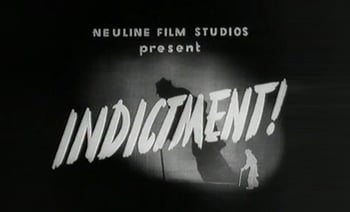
Click here to watch Indictment
Soon, the Mission was considering sites for development, one of which was a parcel of land in Point Chevalier that was leased as a market garden. Bounded by a swimmable beach, private yet adjacent to a housing and shopping area, the site immediately appealed. By 1950, although the Mission was still short of funds, a permanent architect had been appointed with a brief to design “an aged people’s settlement” with the majority of residents living in cottages. The Mission began to lobby the Government for funding, using the plans and, in 1952, the then Minister of Health J R Marshall granted £53,575.
Autumn 1952 saw the site bulldozed, but still not enough money in the coffers to meet the rapidly expanding vision for Selwyn Village. The public’s interest was soon fired, supported by stories in the press and a display in Queen Street of the architect’s model – including cottages. Sir Robert stepped in again when Queen Elizabeth II came to visit in 1953, donating the gross takings of the Royal Command Cinema performance attended by the Queen on Boxing Day to Selwyn Village. It was the princely sum of £10,650 and gave Selwyn the impetus needed.
Selwyn Village was finally opened by the Minister of Social Welfare, Hilda Ross, on 22 May 1954 before a cheering crowd of 2,000 people.
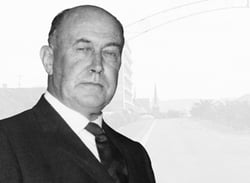
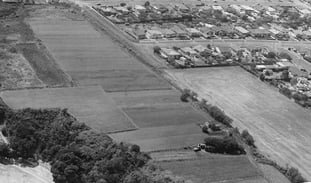
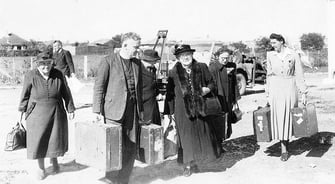
Sir Robert Kerridge; the Selwyn Village site before building began; First residents arriving at Selwyn Village 1954
In the ensuing years, the site developed to offer care and accommodation to a growing number of residents. The 1960s heralded the village’s greatest period of building, with the village concept also expanding beyond the Auckland City boundaries to include a site in Whangarei that would be named “Selwyn Park”.
In 1966, due to the size and complexity of the Selwyn operation, it was agreed that a reorganisation of all related activities and responsibilities should be undertaken. Therefore, on 1 January 1967, an organisation separate from the Auckland City Mission was incorporated under the Charitable Trusts Act of 1957 – to be known as “The Selwyn Foundation” – with a sum of approximately $2million being settled on Selwyn Village.
Thereafter, the Foundation, with Canon Douglas Caswell as its first Director, was to control all work concerned with the care of older people (with all other social work to continue to be undertaken by Auckland City Mission).
The reorganisation of the Foundation’s affairs in this way provided the basis for future growth, with Selwyn adding another five sites in subsequent years – in Hillsborough, Papakura, Hamilton, Cambridge and Wellington (these were sold to another provider in 2022).
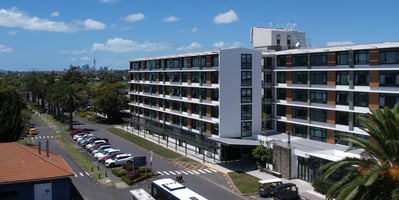
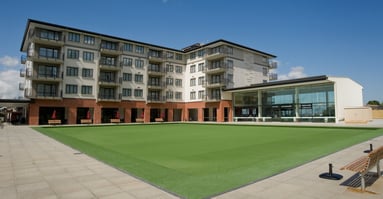
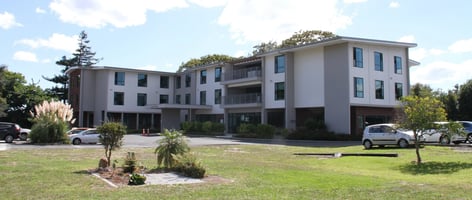
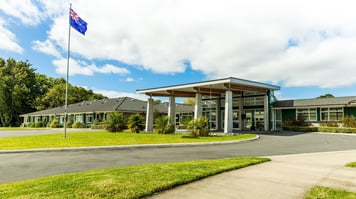
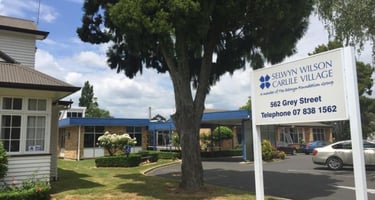
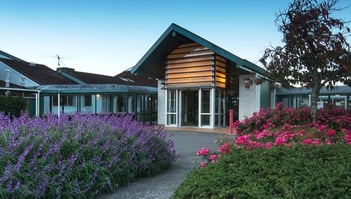
Selwyn Village | Pt Chevalier; Selwyn Heights | Hillsborough; Selwyn Oaks | Papakura; Selwyn Park | Whangarei; Selwyn Wilson Carlile & Sunningdale | Hamilton; Selwyn Sprott | Wellington
Selwyn Village remains to this day an iconic site, well known and held in great affection by the people of Auckland whose family members have lived in the village community and been cared for there in their later years.
Since marking sixty years of service and operation of the village back in 2014, each year on 22 May we continue to observe “Founders’ Day” to honour the courage and foresight of Selwyn’s founding fathers in establishing a dedicated service for the welfare of ageing people. On this date, at a Service of Thanksgiving in the village’s Chapel of Christ the King, we pay tribute to the visionaries behind the creation of The Selwyn Foundation and recall all those who have enriched its development over the years.
Founders’ Day forms part of a broader programme to preserve the Foundation’s unique history and commemorate those who have shaped it through the ages, so they may be remembered, and their contribution honoured, by all our village residents and staff long into the future.
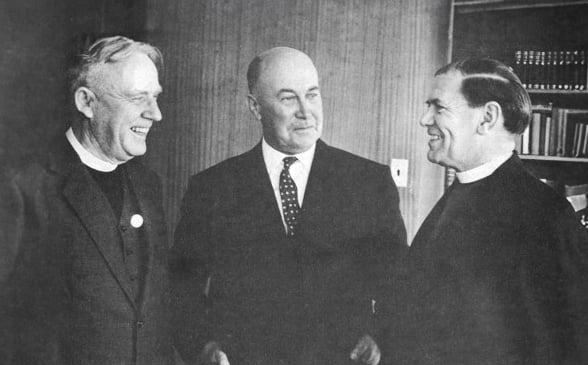
Selwyn’s founding fathers, Canon Douglas Caswell (left) and Sir Robert Kerridge (centre) in conversation with Bishop Eric Gowing, September 1962.
{image}
Founders' Day 70th Celebration, May 2024.
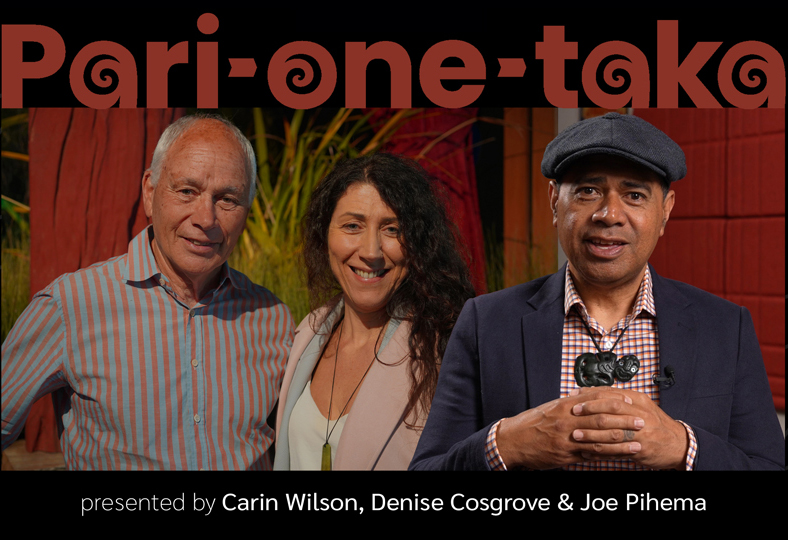
A series of highly engaging presentations was held for residents, staff and the local community, with an accompanying full-colour publication also designed and launched during our 2025 Founders’ Day commemorations.