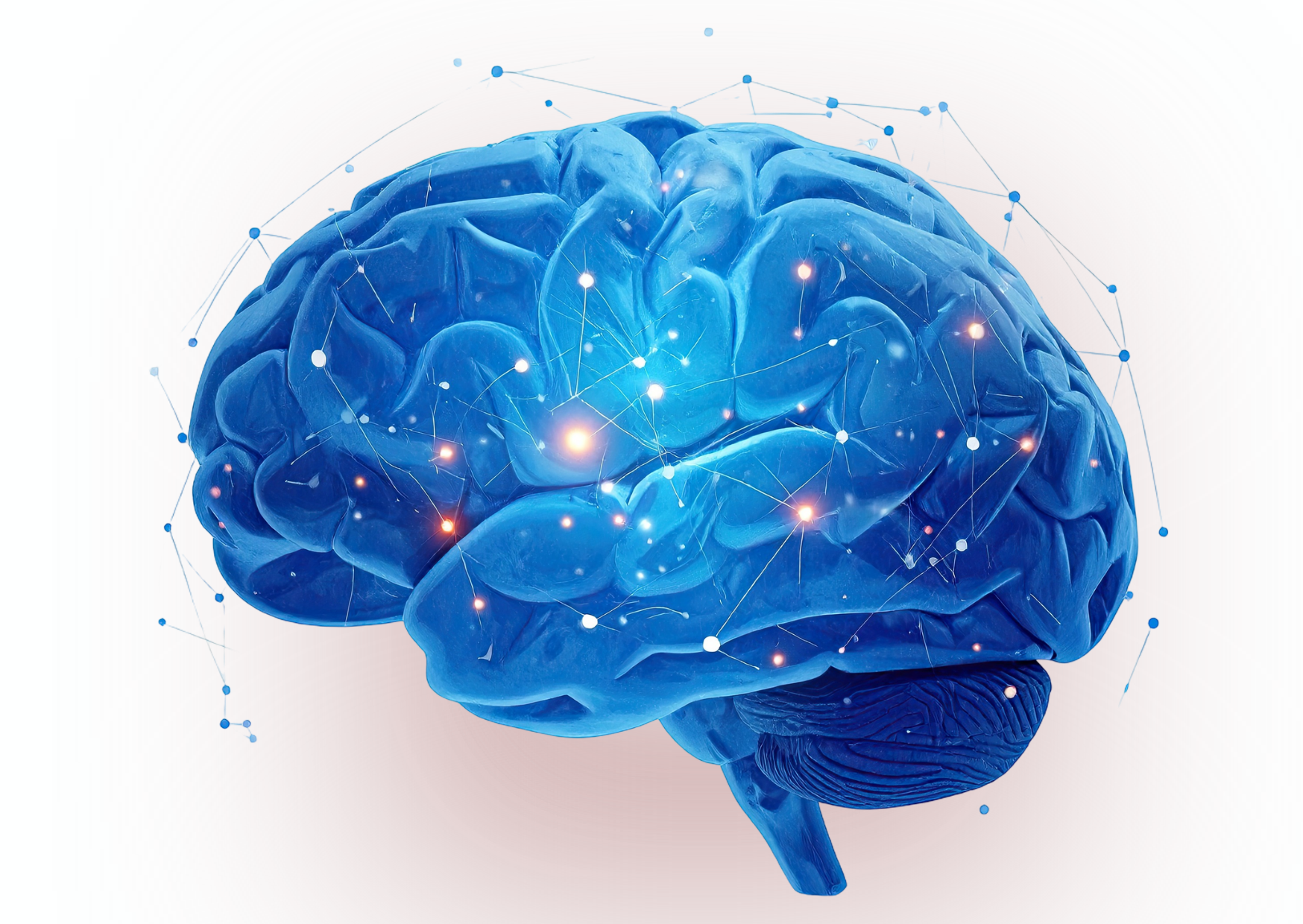
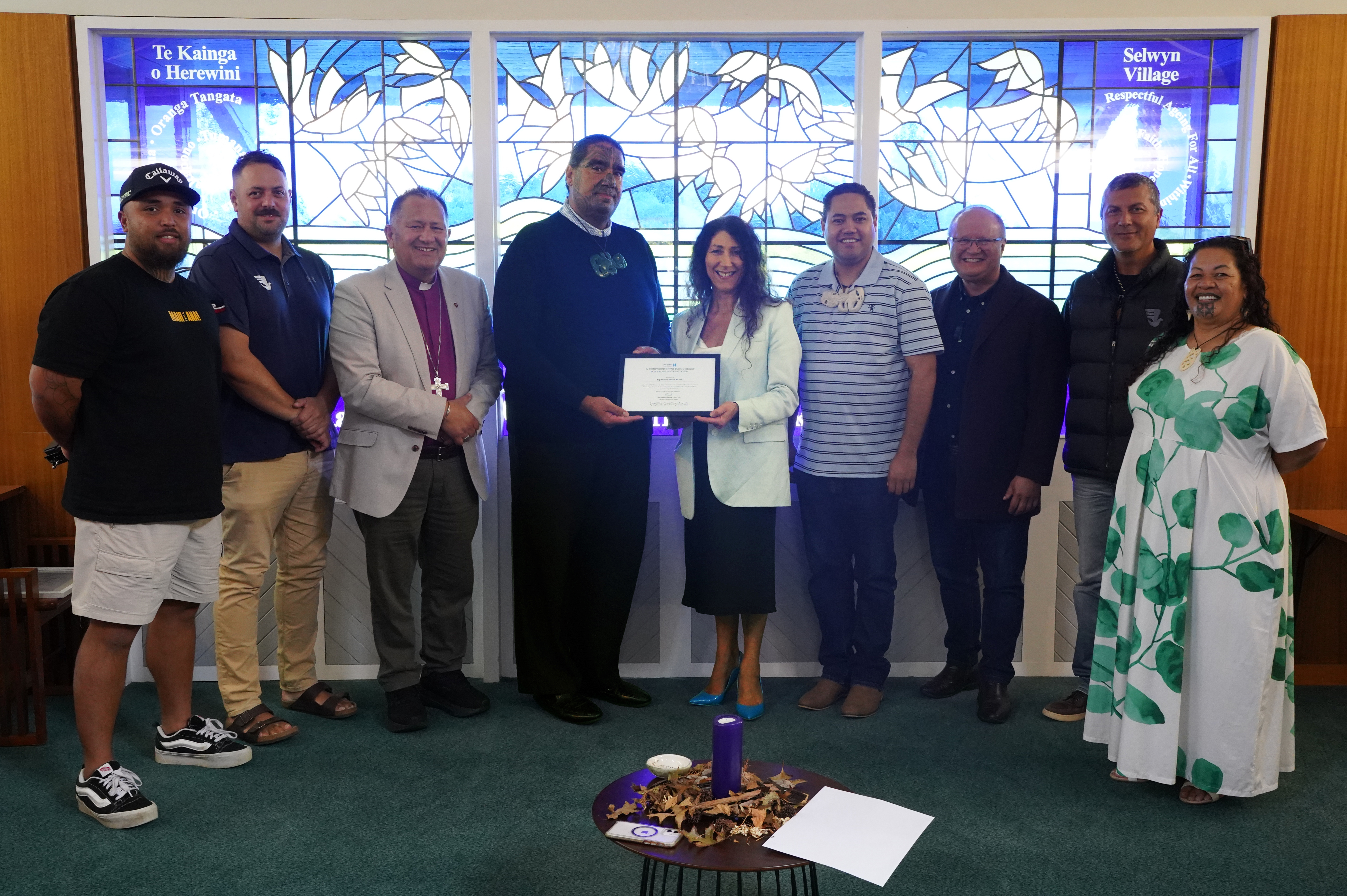
As part of our strategic focus on dementia mate wareware, the Foundation is proud to co-fund the Clean Brain research study aimed at enabling earlier diagnosis and prevention of neurodegenerative diseases such as Alzheimer’s and Parkinson’s.
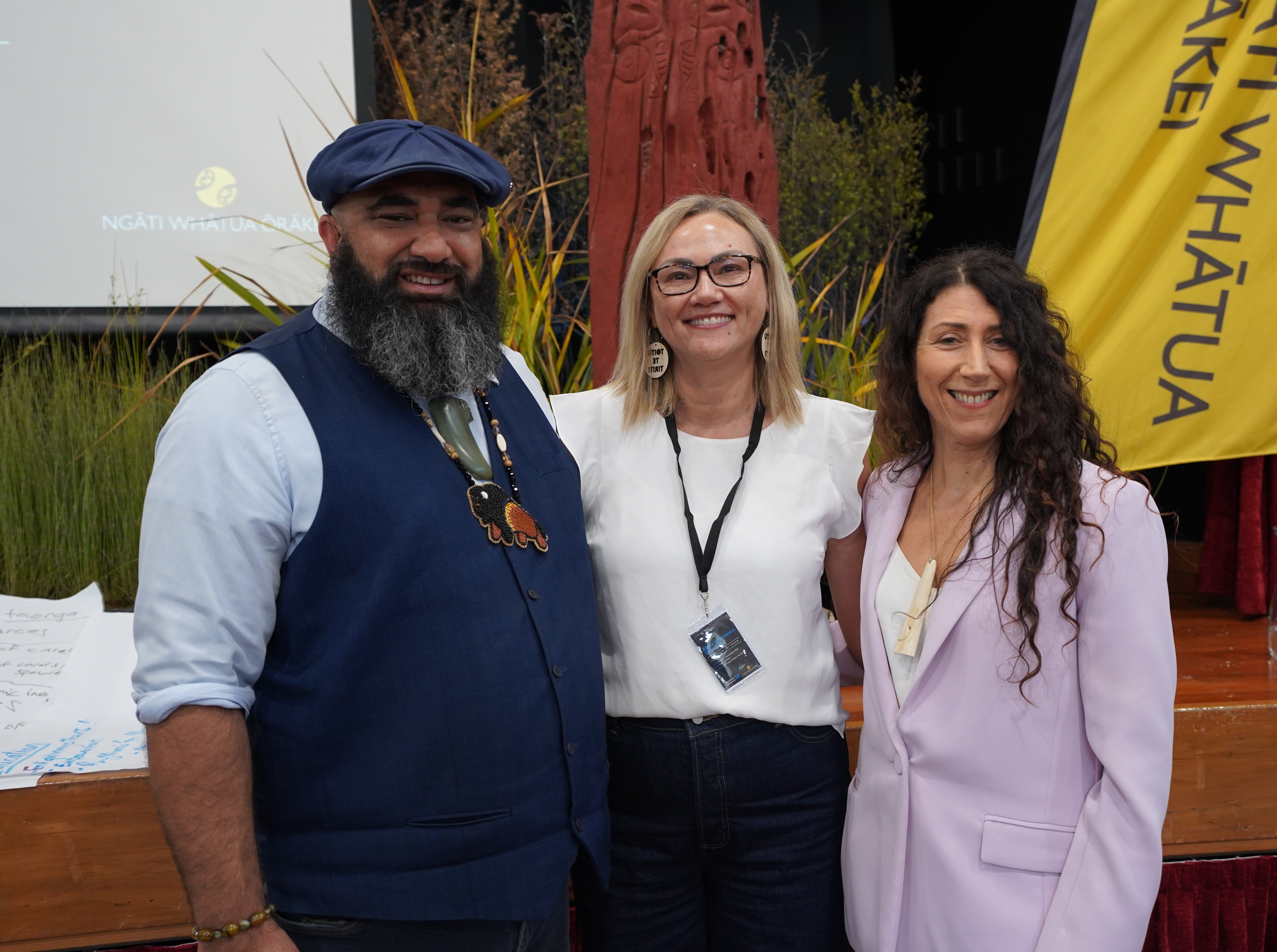
The study brings together researchers from the Tairāwhiti/Gisborne-based Mātai Medical Research Institute, the University of Auckland and the Auckland Bioengineering Institute to develop new MRI-based methods for measuring brain pressure and brain waste clearance. These tools may allow clinicians to detect early signs of neurodegenerative disease before symptoms appear, creating opportunities for preventative intervention and improved patient outcomes.
The Selwyn Foundation’s funding (with an equivalent contribution from the Freemasons Foundation) will support the work of dedicated research fellow and biomedical engineer, Dr Alireza Sharifzadeh-Kermani, within the Mātai brain pressure research team. It will directly accelerate the development of this new MRI-based diagnostic pathway for dementia risk, helping move New Zealand closer to earlier detection and prevention of one of our most pressing health challenges.
The project will use advanced MRI sequences combined with computational modelling to measure brain pressure and brain porosity, enabling researchers to map how effectively the brain clears waste. By developing new imaging-based biomarkers of brain clearance, the research aims to identify individuals at risk of dementia earlier than is currently possible.
The two-year project will benefit several groups:
New Zealand patients and families. Earlier detection of neurodegenerative disease could allow preventative lifestyle interventions and treatment strategies before irreversible brain damage occurs.
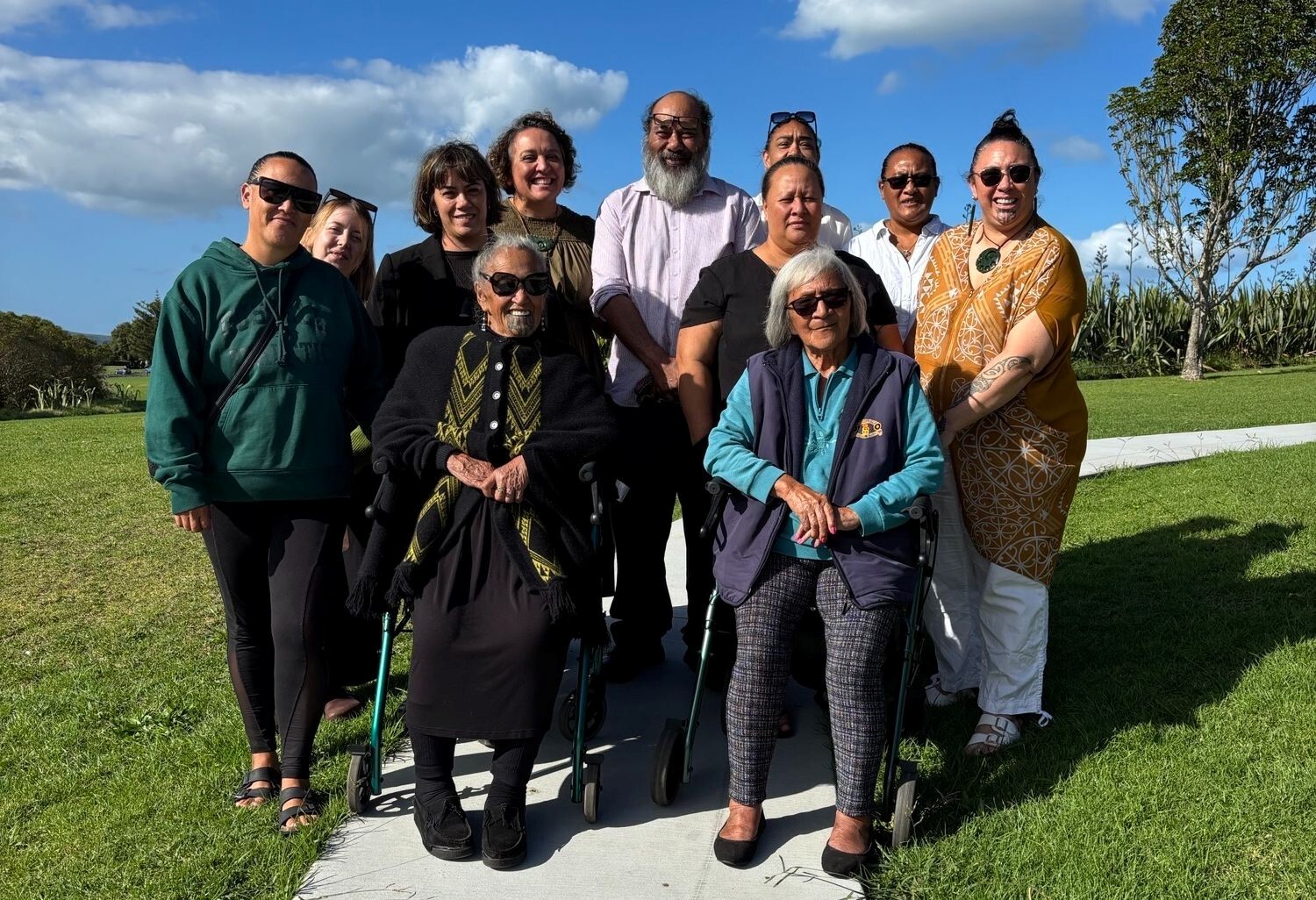
Older New Zealanders at risk of dementia. Dementia prevalence is increasing rapidly and is projected to cost New Zealand more than $5 billion annually by 2050.
The Tairāwhiti community. Participants from the Gisborne region will be involved in the study, with results shared through community outreach and public education events.
Future generations of researchers and clinicians. The project will involve students and interns from the region, building scientific capability and inspiring local STEM participation.
The Selwyn Foundation Chief Executive Denise Cosgrove comments: “We’re proud to support the Clean Brain Project which has potential to detect dementia risk earlier and enable preventative interventions, and therefore give people at risk of neurodegenerative disease a better life. Our congratulations to Dr Sharifzadeh-Kermani and the team as they advance this vital work.”