New research into kaumātua health and wellbeing
In 2024/25, the Foundation funded a Ngāti Hine Kaumātua Needs Assessment research project which was conducted by the Kingi Ihaka Research Centre in ...
Respectful Ageing for All, within Thriving Communities | Oranga Mātua, Oranga Tangata


Te Kōhao Health and The Selwyn Foundation have joined forces to provide much-needed support for kaumātua living with the complex illness and their whānau/family carers.
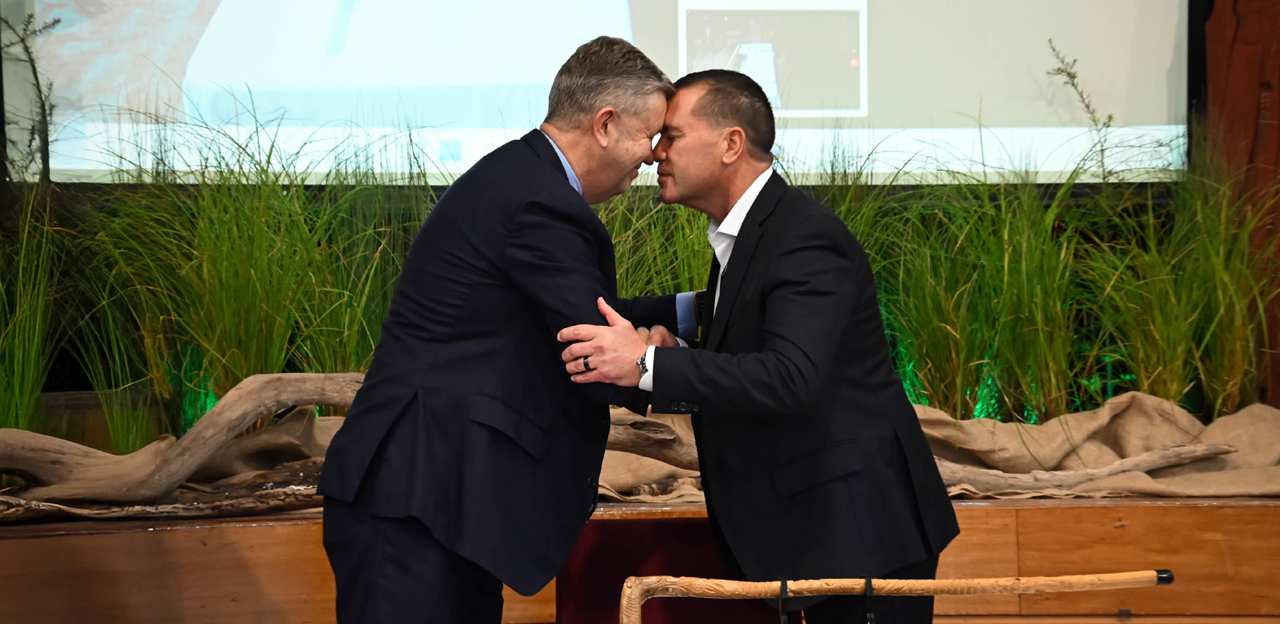
Mana whenua, Ngāti Mahunga, led the ceremonial turning of the sod and blessing of the whare today by Archbishop Emeritus Sir David John Moxon KNZM GCStJ and Anglican Bishop Te Kitohi Pikaahu at 21 Ridout Street in Kirikiriroa, marking the beginning of the new Te Whare Mahara/Wellness Centre.
This is the first dedicated kaupapa Māori day centre for mate wareware/dementia that’s designed with Māori for Māori.
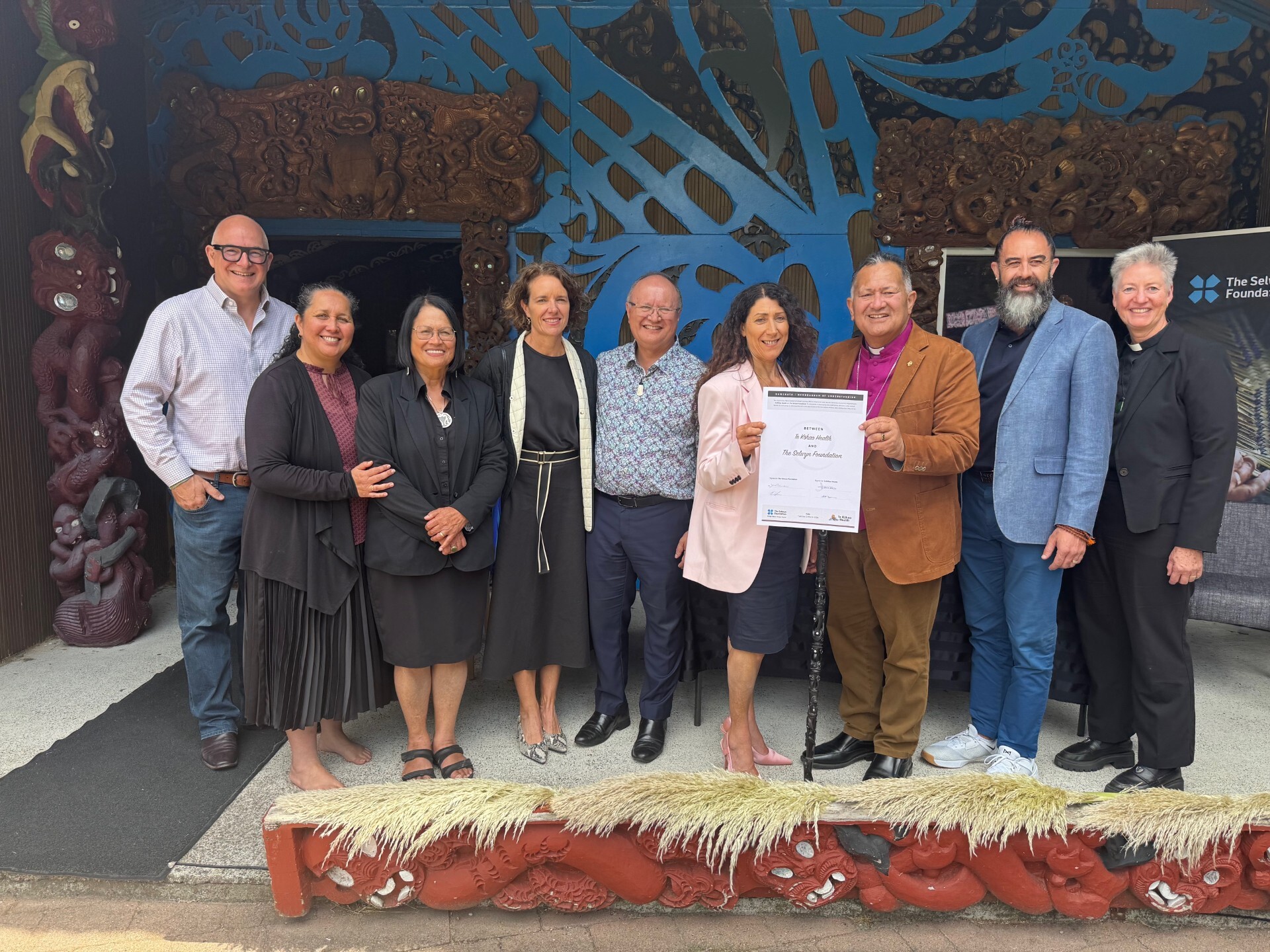
The ceremony was followed by the signing of a Memorandum of Understanding between Te Kōhao Health and The Selwyn Foundation at Kirikiriroa Marae to develop the new dedicated day centre together.
The whare will provide day-time respite care, supported by experienced kaimahi who are well versed in caring for whānau with mate wareware. This allows whānau who are caring for loved ones with dementia to take a break while knowing their kaumātua are safe in a familiar and culturally grounded environment.
Te Kōhao Health Managing Director, Lady Tureiti Moxon said the service responds directly to the reality that many families care for their loved ones with dementia at home.
“Whānau often look after their own. They carry that responsibility with love, but it can also be exhausting,” she said. “This kaupapa is about finally giving whānau a break during the day. A chance to replenish themselves so they can continue caring for their loved ones.”
The new Te Whare Mahara/Wellness Centre in Kirikiriroa is the first of several The Selwyn Foundation is looking to develop in partnership with Iwi and Māori provider organisations.
“Our partnership with Te Kōhao Health to deliver this new kaupapa Māori wellness centre is a major step towards our shared goal of providing place-based and culturally appropriate care and support, as well as respite for family, which are essential in enabling older people to age with dignity and respect in their own homes and communities,” said The Selwyn Foundation Chief Executive Denise Cosgrove.
“The Selwyn Foundation is proud to partner with Te Kōhao Health in providing this much-needed service, that will positively impact the lives of kaumātua experiencing mate wareware/dementia, and we look forward to the start of operations at the new centre in the months to come.”
The respite service will integrate te reo Māori, tikanga, and mātauranga Māori into care practices. It will provide activities, shared meals, and culturally grounded care in a home-like environment rather than an institutional setting. This will enable our kaumātua to gather together for shared activities, meals and connection, giving whānau peace of mind that their loved one is being looked after in a culturally safe environment that feels like home.
“Our kaumātua want to feel like they are visiting a home, somewhere familiar, warm and welcoming. That sense of belonging is very important to them,” said Lady Tureiti. Who believes the new service is also about preparing for the future as the population of Aotearoa ages.
“We know our population is ageing, and mate wareware/dementia is increasing. We need to plan ahead now and build services that are culturally grounded as well as support whānau to cope with the demands of caring.”
“Giving whānau even a few hours during the day to rest, run errands or simply breathe can make all the difference to the care their loved ones receive at home.”
Dementia is a growing challenge in Aotearoa. Māori experience dementia around eight years earlier than Pākehā, and around 4,500 Māori currently live with dementia, although many cases remain undiagnosed because care often occurs within whānau settings.
By 2050, Māori dementia cases are expected to rise to around 12,000. Access to culturally appropriate dementia care remains limited across the country.
The Kirikiriroa initiative aligns with the findings in the 2019 kaupapa Māori research led by Dr Makarena Dudley and colleagues undertaken with 223 kaumātua across seven regions including eight whānau in Waikato.
It found that aroha, manaakitanga and cultural connection play a critical role in supporting people living with dementia and their whānau.
The Kirikiriroa whare will be renovated with support from The Selwyn Foundation and will open once consent and refurbishment work is completed.
Lady Tureiti said the programme will continue to evolve with input from the community.
“We want to work closely with our kaumātua and whānau to shape what happens inside this whare, the activities, the environment and the care so it reflects what our people need.”
“This is about creating a place where our kaumātua feel at home and our whānau feel supported.”
Three months ago, a dedicated national Mate Wareware Action Plan 2026–2031 was presented to the Minister for Seniors that emphasised the need for improved community dementia mate wareware support.
At the same time, the Health Select Committee made 14 recommendations that included more culturally appropriate care, dementia bed provision, alternative residential models, and holistic community care.
/MOU%20Te%20K%C5%8Dhau%20Health%20%26%20TSF.jpg?width=1920&height=1440&name=MOU%20Te%20K%C5%8Dhau%20Health%20%26%20TSF.jpg)
Representatives of Te Kōhao Health and The Selwyn Foundation Board and Executive Leadership team at the signing of the Memorandum of Understanding at Kirikiriroa Marae to develop the new dedicated day centre together.
First kaupapa Māori centre for those living with dementia to open in Waikato | RNZ News
Notes:
The new Te Whare Mahara/Wellness Centre in Kirikiriroa is the first of several which the Foundation is looking to develop in partnership with Iwi and Māori organisations. As a leading social impact funder of community-based support initiatives to enable older people/kaumātua to age with dignity, cultural connection and security in their local community, it is currently working alongside a number of Iwi and Māori groups to co-design Māori-led wellness centres, where elders with mate wareware/dementia and their whānau will have access to culturally-grounded care and support in a purposely designed te ao Māori space. In delivering this person-centred approach, both The Selwyn Foundation and the participating Iwi and Māori organisations will combine expertise, funding and
resources, with Selwyn’s established mate wareware/dementia day centres at Selwyn Village (Point Chevalier,
Auckland) and in the community providing the basis for the design of each facility. www.selwynfoundation.org.nz/iwi-partnerships
Te Hauora Mahara: a te ao Māori worldview of mate wareware/dementia
In the name ‘Te Whare Mahara/Wellness Centre’, ‘mahara/memory’ refers not just to the mind but also signifies
spiritual and ancestral connections and evoking memories. The wider ‘Te Hauora Mahara’ initiative, which looks
to provide a range of Mātauranga Māori-inspired care solutions, is so named as ‘Hauora’ refers to holistic wellbeing,
as described in the model Te Whare Tapa Whā, which includes: Taha Tinana (physical health), Taha Wairua
(spiritual health), Taha Hinengaro (mental and emotional wellbeing) and Taha Whānau (family and social
wellbeing).
Mate wareware/dementia is a growing challenge in Aotearoa. Māori experience mate wareware/dementia around eight years earlier than Pākehā, and around 4,500 Māori currently live with mate wareware/dementia, although many cases remain undiagnosed because care often occurs within whānau settings. By 2050, Māori mate wareware/dementia cases are expected to rise to around 12,000. Access to culturally appropriate wareware/dementia care remains very limited across the country, especially in regional and remote communities.
The Kirikiriroa Te Whare Mahara/Wellness Centre initiative aligns with the findings in the 2019 kaupapa Māori research led by Dr Makarena Dudley and colleagues undertaken with 223 kaumātua across seven regions including eight whānau in Waikato. It found that aroha, manaakitanga and cultural connection play a critical role in supporting people living with mate wareware/dementia and their whānau.
Three months ago, a dedicated national Mate Wareware Action Plan 2026–2031 was presented to the Minister for Seniors that emphasised the need for improved community mate wareware/dementia support. At the same time, the Health Select Committee made 14 recommendations that included more culturally appropriate care, mate wareware/dementia bed provision, alternative residential models, and holistic community care.
Learn. Grow. Share.
In 2024/25, the Foundation funded a Ngāti Hine Kaumātua Needs Assessment research project which was conducted by the Kingi Ihaka Research Centre in ...
A major work programme is currently underway with five Iwi groups across Tāmaki Makaurau Auckland, Te Tai Tokerau Northland and Kirikiriroa Hamilton ...
A significant development has been our partnering with Ngāti Whātua Ōrākei on a range of capability development and knowledge-sharing initiatives, in ...
As part of our strategic focus on dementia mate wareware, the Foundation is proud to co-fund the Clean Brain research study aimed at enabling earlier ...
With disproportionately high rates of chronic illness, early diagnoses of mate wareware dementia and lower life expectancy amongst kaumātua, it is ...